技術平臺
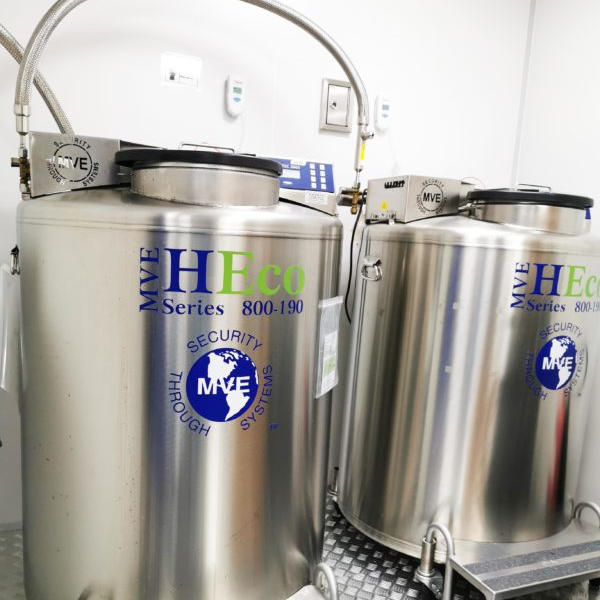
MonoTx operates a public umbilical cord blood bank that serves as the foundation of its platform. All cord blood units are collected following full-term deliveries and are sourced from healthy, consented donors who undergo comprehensive maternal infectious disease screening, including testing for hepatitis B, hepatitis C, HIV-1/2, and syphilis.
The MonoTx cord blood bank is:
- AABB-accredited
- Registered with the U.S. FDA as a Human Cell & Tissue Establishment
- Affiliated with the World Marrow Donor Association (WMDA)
The bank stores more than 10,000 cord blood cell packs that meet high-quality standards as starting material for both clinical and translational research applications, ensuring long-term supply continuity and batch-to-batch reproducibility.
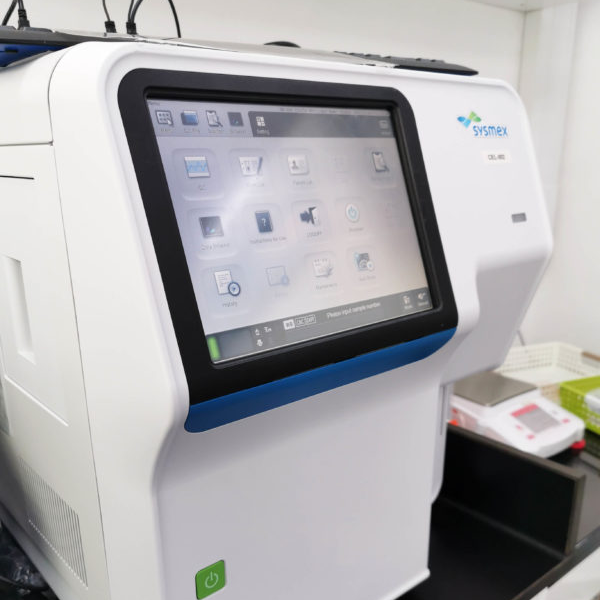
MonoTx employs the automated, closed, GMP-compatible processing system to fractionate fresh umbilical cord blood into three primary components:
|
Fraction |
Composition |
Therapeutic Application |
Relevant MonoTx Patent |
|
Mononuclear Cells (MNCs) |
Lymphocytes, monocytes, hematopoietic and endothelial progenitor cells |
Neurological repair (HIE, stroke) via paracrine-induced neurogenesis |
PT-2021-01 |
|
Cell-Free Plasma |
Exosomes, growth factors, cytokines, extracellular vesicles |
Source material for ERP® exosome products across various indications |
PT-2019-02 |
This automated separation step, covered by the licensed patent portfolio (PT-2019-02 (US Patent No. US 12,576,201 B2), establishes a clean plasma source optimized for downstream exosome isolation while preserving cellular fractions for therapeutic applications.
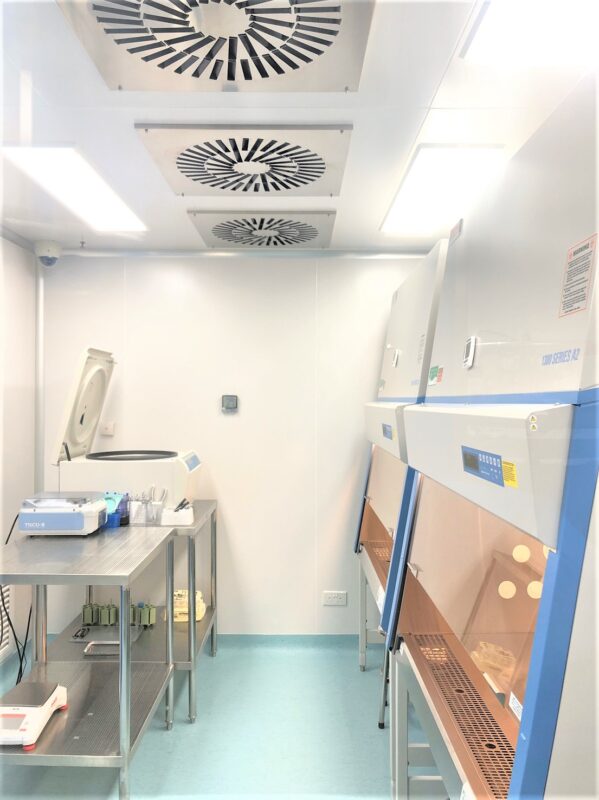
Exosomes are isolated exclusively from the plasma fraction of umbilical cord blood using MonoTx’s proprietary, polyethylene glycol (PEG)–based precipitation technology, now protected by a granted US patent (US 12,576,201 B2, issued March 2026) with additional filings in Europe, China, Hong Kong and India. The process involves plasma clarification, PEG-mediated exosome precipitation under controlled cold incubation, low-speed centrifugation to collect exosome pellets, and resuspension in a validated buffer.
Key advantages of the MonoTx exosome isolation process include:
- High recovery efficiency: >90% of plasma-derived exosomes recovered, substantially exceeding ultracentrifugation-based methods
- Gentle processing: Low-speed centrifugation preserves exosome membrane integrity and biological activity, avoiding the shear damage associated with traditional ultracentrifugation (>100,000g)
- High-concentration output: Produces exosome preparations at >1010 particles/mL
- Scalability: Process is scalable from 1 mL to multi-liter volumes, compatible with commercial GMP manufacturing
給藥和製劑技術
The MonoTx platform encompasses multiple proprietary formulation and delivery approaches, each optimized for a specific therapeutic indication:
|
Delivery System |
Description |
Indication |
Patent |
|
Topical Eye Drops |
ERP® formulated as preservative-free ophthalmic solution |
Ocular surface disease, dry eye, limbal stem cell deficiency |
PT-2026-03 |
|
Intravitreal Injection |
ERP® administered directly into the vitreous cavity |
Aging-related eye diseases (glaucoma, AMD, cataract, RP) |
PT-2025-01 |
|
HAMA Hydrogel Microspheres |
Injectable hyaluronic acid methacryloyl microspheres for sustained exosome release over weeks to months; microfluidic manufacturing for uniform particle sizing |
Glaucoma (sustained neuroprotection of retinal ganglion cells) |
PT-2026-02 |
|
Synthetic miR-26a-5p Mimic |
Chemically synthesized miRNA mimic as an alternative to exosome-encapsulated delivery |
Cellular senescence across multiple organ systems; aesthetic skincare |
PT-2025-02 |
|
Topical Gel |
Carbomer-based gel containing ERP® + recombinant human fibronectin for daily wound application |
Chronic wounds, diabetic ulcers, surgical incisions, burns, scar management |
PT-2026-01 |
|
Intravenous Infusion |
UCB MNC or RCF administered via IV within 24 hours of neurological injury |
HIE, neonatal stroke, cerebral palsy |
PT-2021-01 |
獨特的技術平臺
The MonoTx platform is differentiated from other exosome and cell therapy approaches by:
|
Differentiator |
Significance |
|
Regulatory-grade UCB sourcing |
AABB-accredited, FDA-registered, WMDA-affiliated cord blood bank ensures donor traceability, safety screening, and long-term supply |
|
Youngest blood source |
UCB contains the most potent and least immunogenic exosomes compared to adult peripheral blood or bone marrow sources |
|
Mechanism-defined, not empirical |
miR-26a-5p/CDK1 molecular pathway provides a scientific rationale for therapeutic activity, distinguishing MonoTx from “black-box” exosome approaches |
|
Granted patent protection |
US patent (US 12,576,201 B2) and China patent (CN120437174B) provide enforceable exclusivity on manufacturing and core therapeutic applications |
|
Multi-product economics |
Single UCB unit yields at least 3 therapeutic products (mononuclear cells, exosomes, platelets), maximizing asset utilization |
|
Cell-free and cell-based modalities |
Platform supports both off-the-shelf exosome products (scalable, no HLA matching) and MNC/RCF cell therapies (paracrine-mediated, no engraftment required) |
|
Vertically integrated |
Cord blood bank → automated fractionation → proprietary isolation → characterized product — full chain control, rare in the exosome field |
|
Near-term revenue |
ERP® already supplied to aesthetic companies for skincare products, providing non-dilutive revenue while pharmaceutical pipeline advances |
This integrated technology platform enables MonoTx to advance cell-free regenerative therapeutics with strong translational and commercial potential.

English