

 中文 (香港)
MonoTX Shared Integrated Biobank-to-Therapy Research Collaboration at HKSTP CGT Showcase 2026
Hong Kong’s leading public cord blood bank highlights life-saving therapies developed with CUHK researchers
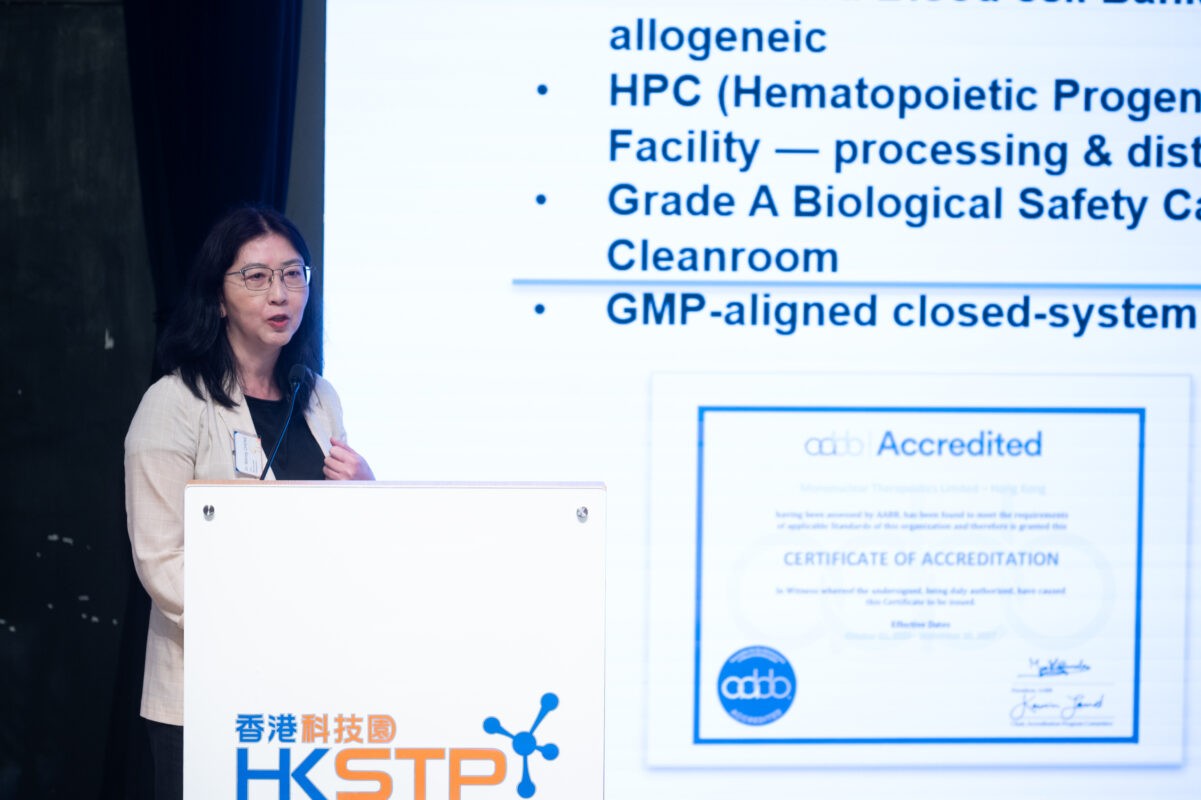
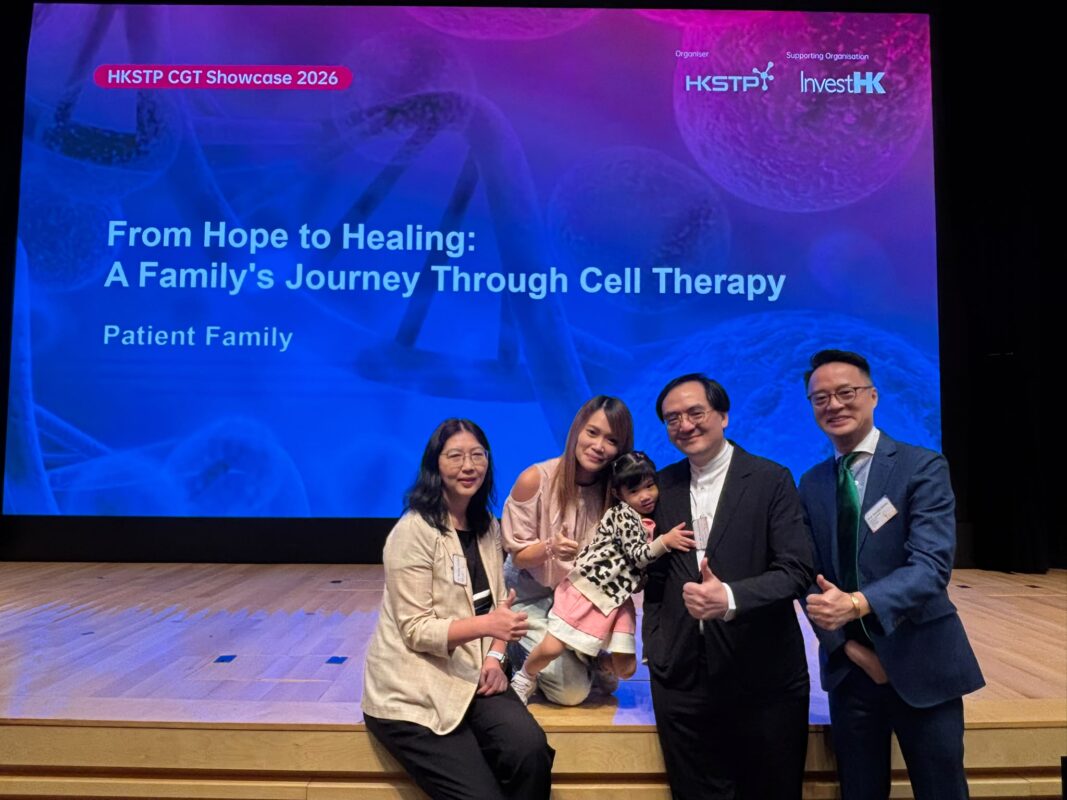
HONG KONG, July 30, 2026 — Mononuclear Therapeutics Limited (MonoTx), Hong Kong’s AABB-accredited public cord blood bank and hematopoietic progenitor cell (HPC) apheresis facility, today presented at the HKSTP Cell and Gene Therapy (CGT) Showcase 2026 at Hong Kong Science Park. The session, “Patient & Physician Storytelling: Advancing Hematopoietic Cell Therapy Translation — Biobank to Clinical Insights,” featured MonoTx alongside clinical research collaborators from The Chinese University of Hong Kong (CUHK) and patient families.
Hong Kong’s Cord Blood Resource
MonoTx operates Hong Kong’s public cord blood bank for therapeutics and research at Hong Kong Science Park, providing an essential healthcare resource for the city as well as facilitating biomedicine research advancement. Donated umbilical cord blood is collected after healthy births, processed under accredited quality standards, and cryopreserved for clinical and research use. The bank stores more than 2,000 cord blood units – representing over 10,000 enriched mononuclear cell (MNC) packages – and is AABB-accredited for the full scope of cord blood activities: collection, processing, storage, and distribution. MonoTx is also registered with the US FDA Human Cell & Tissue Establishment Registry, approved by the World Marrow Donor Association (WMDA) to list HLA-typed cord blood cells available for public transplant matching worldwide.
MonoTx has released clinical-grade cord blood and HPC, Apheresis products to hospitals in Hong Kong for hematopoietic progenitor cell transplantation and therapy. The bank serves patients with malignancies (leukemia, lymphoma, neuroblastoma), hemoglobinopathies (thalassemia, sickle cell disease), bone marrow failure syndromes, and inherited metabolic disorders.
Integrated HPC, Apheresis Facility
MonoTx also operates an AABB-accredited HPC, Apheresis facility — the only such integrated platform in Hong Kong. This facility processes hematopoietic progenitor cells from both cord blood and apheresis collections, enabling cell therapies that range from standard hematopoietic stem cell transplantation to novel clinical applications.
By combining the public cord blood bank with an HPC, Apheresis facility under one roof, MonoTx facilitates continuity of quality from donor collection through to clinical product release.
“Our mission is to bridge the gap between donation and therapy,” said Dr. Wendy Cheng, COO of MonoTx. “By integrating biobanking and cell processing under one roof, we provide the infrastructure that allows clinicians to turn research into real treatments.”
Pioneering Clinical Programs
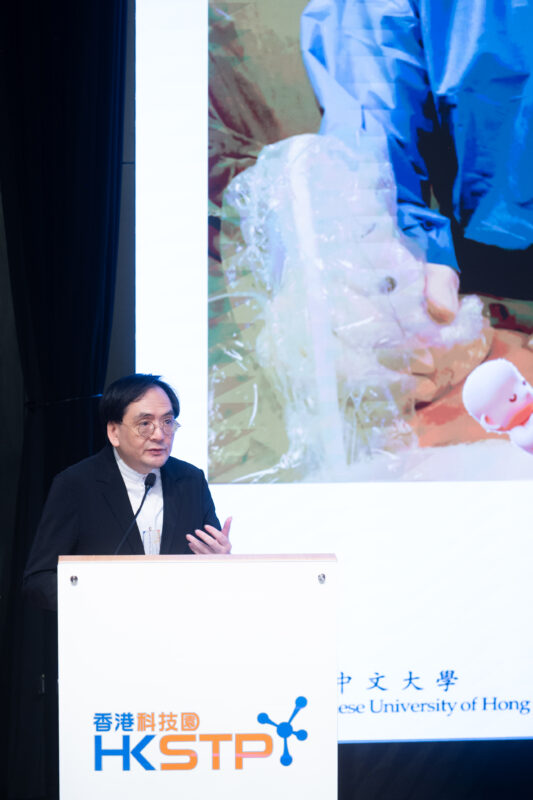
In-Utero Stem Cell Transplantation for Alpha-Thalassemia Major. Prof. Tak Yeung Leung, Professor (Clinical) and Team Head of Fetal & Perinatal Medicine in the Department of Obstetrics & Gynaecology at CUHK, recently presented his pioneering work on the early treatment of fetuses diagnosed with Hemoglobin Bart’s disease (alpha-thalassemia major)—a potentially fatal condition because of severe in-utero anemia. In Hong Kong, approximately 5% of the population are carriers of alpha-thalassemia; when both parents are carriers, there is a 25% chance of conceiving an affected fetus. Prof. Leung and his team have successfully transfused anemic fetuses as early as 15 weeks of gestation, enabling them to be born alive and subsequently undergo postnatal treatment, including bone marrow hematopoietic stem cell (HPC) transplantation. The team is now further investigating whether in-utero maternal HPC transfusion is safe and beneficial for this group of fetuses. The procedure involves collecting maternal HPCs via apheresis, enriching them at MonoTx’s AABB-accredited facility, and transplanting the enriched cells in utero through ultrasound-guided umbilical vein injection. This approach harnesses the natural maternal-fetal immune tolerance window that exists before the fetal immune system matures. This pilot study at CUHK aims to develop an alternative strategy to improve outcomes for fetuses affected by alpha-thalassemia major.
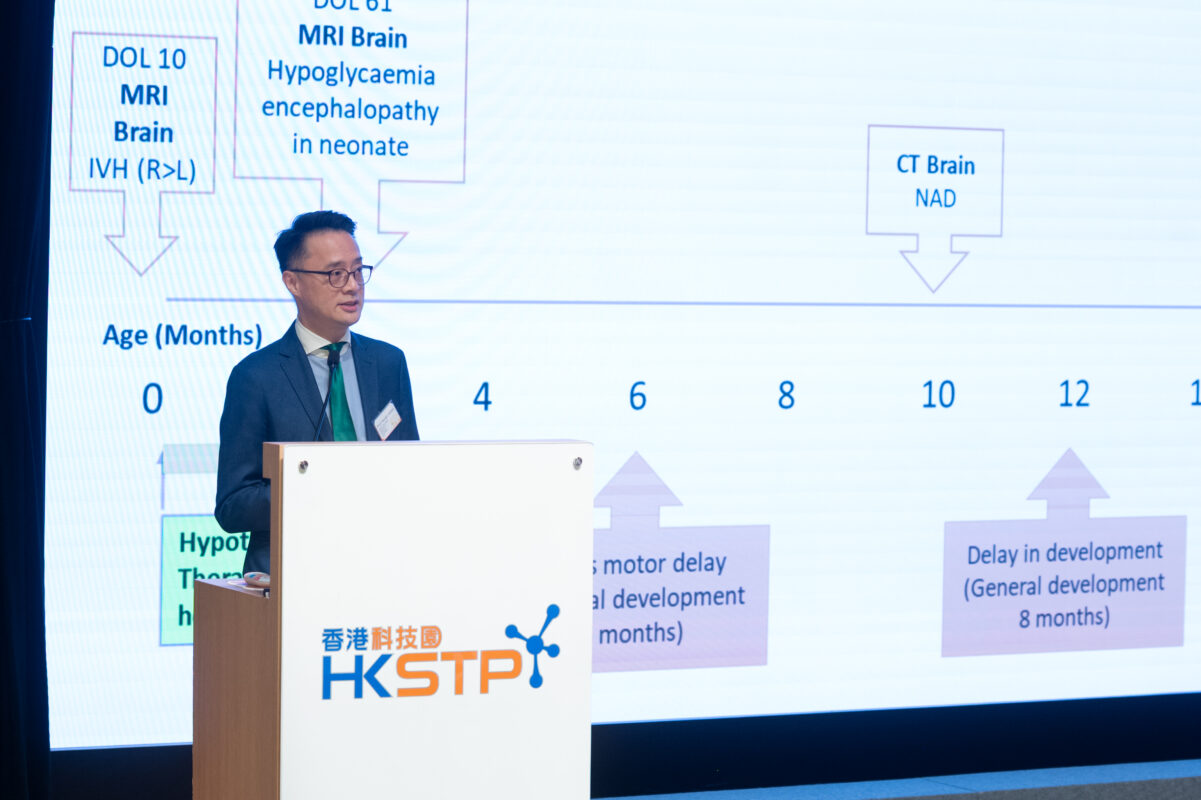
Cord Blood Therapy for Neonatal Brain Damage. Prof. Ronald Wang, Professor (Non-Clinical), Department of Obstetrics & Gynaecology at CUHK and collaborator on the study, shared research cases of treating newborns with brain damage from Hypoxic-Ischemic Encephalopathy (HIE) — a devastating brain injury caused by oxygen deprivation during birth and a leading cause of neonatal death and lifelong neurodevelopmental disability. Preliminary findings suggest cord blood or MNC infusion within 48 hours of birth may complement cooling therapy and improve long-term outcomes.
Beyond its core hematopoietic cell therapy operations, MonoTx is advancing a patented exosome-rich plasma (ERP®) platform derived from cord blood, with a lead preclinical program targeting dry eye disease. The company is pursuing a US FDA IND application and additional ocular indications under development include persistent corneal epithelial defect (PCED) and glaucoma. Preclinical data demonstrates that ERP reverses cellular senescence and exerts anti-aging, anti-inflammatory, and pro-proliferative effects on human eye and skin cells.
“From biobank to bedside — neonatal ICU, fetal medicine unit, and beyond — MonoTx is proud to support positioning Hong Kong as a global leader in cell and gene therapy and research” said Dr. Cheng.
About Mononuclear Therapeutics Limited (MonoTx)
Mononuclear Therapeutics Limited is a wholly owned subsidiary of MonoTx Global Holdings, Inc. and a Hong Kong-based biotechnology and translational medicine company dedicated to developing cell and exosome therapies from umbilical cord blood. Established in 2016 at Hong Kong Science Park, MonoTx operates Hong Kong’s public cord blood bank and an AABB-accredited HPC, Apheresis facility — the only integrated platform of its kind in Hong Kong. The company’s operations span the full translational pathway: from public cord blood banking and clinical supply of hematopoietic stem cells for transplantation, to exosome-based regenerative product development.